Community Healthcare
Community Healthcare
Introduction
Our community healthcare initiatives go beyond treating illness; we aim to address the social determinants of health that affect well-being. We understand that poverty and lack of nutrition are not just side effects of illness, but root causes that worsen health outcomes. Our programs are designed to provide targeted support to the most vulnerable, ensuring that they have the resources to not only recover but also to lead healthier lives.
A key part of our strategy is using innovative solutions to deliver care directly to those in need. For instance, we leverage the e-RUPI digital payment system to provide financial support to tuberculosis (TB) patients. This cashless, contactless voucher is a person- and purpose-specific tool that ensures funds are used exclusively for their intended purpose, such as purchasing medications or nutritious food. This prevents misuse and ensures that patients receive the support they need to complete their rigorous treatment regimen.
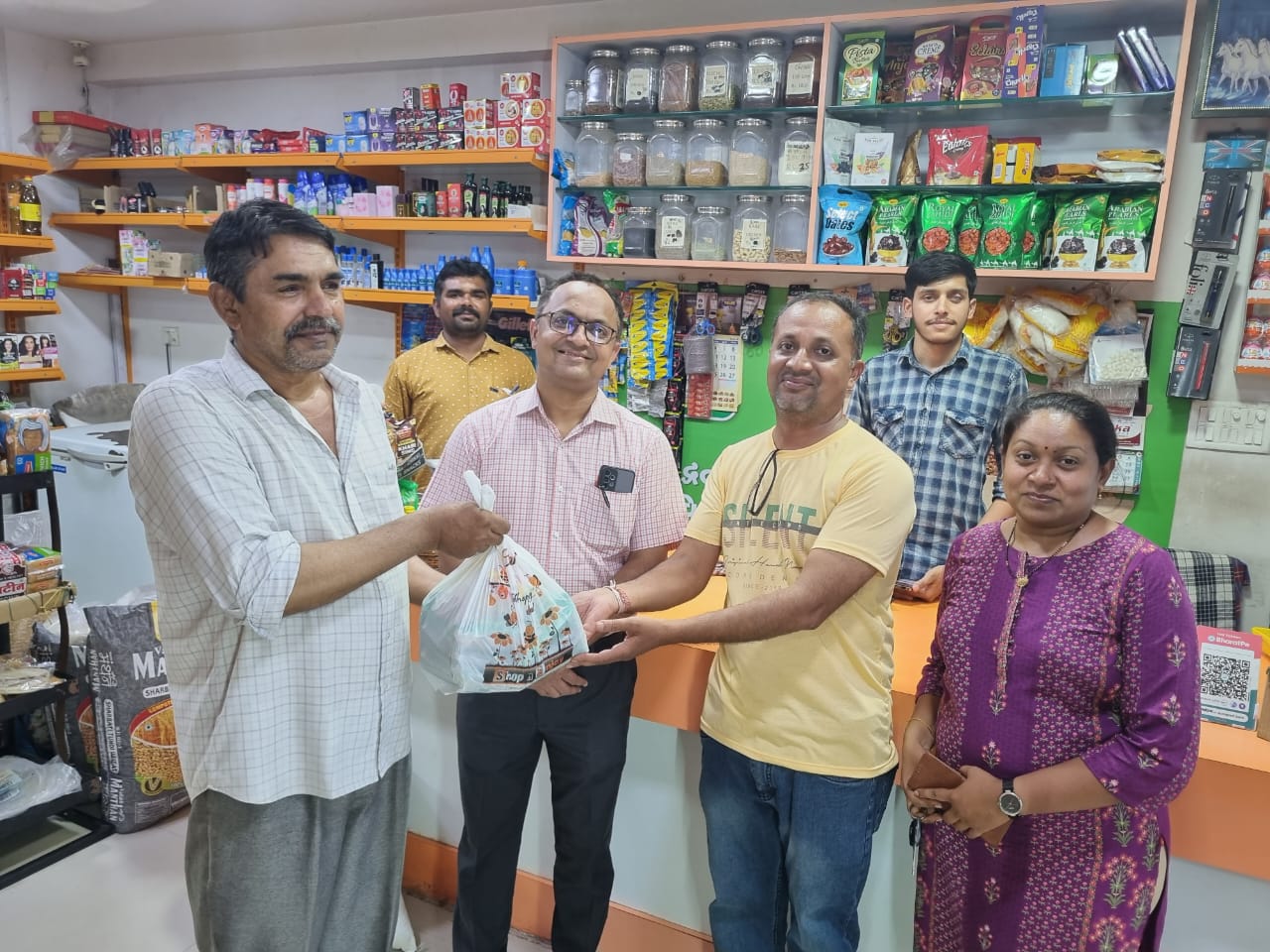
In addition, we provide nutritional kits to individuals and families battling malnutrition. For a TB patient, proper nutrition is crucial for strengthening the immune system and fighting the disease. Our kits, which may include high-protein foods, grains, and other essentials, are delivered directly to their homes. For severely malnourished children and pregnant women, these kits are a lifeline, providing the essential nutrients needed for healthy development and recovery. By combining financial assistance with tangible, life-saving resources, we empower people to take control of their health.
Challenge
Millions of people, especially in rural and underserved areas, lack access to basic healthcare services and trained professionals. This gap results in preventable illnesses, weak local health systems, and poor long-term outcomes.
Objectives
This program is designed to help participants:
1-Deliver Healthcare Services
Gain practical skills to support basic medical and wellness needs within communities.
2- Education to Reduce Diseases
Promote awareness and prevention of common illnesses through health education.
3- Build Community of Health Workers
Train and mentor local individuals to become frontline healthcare advocates.
4- Strengthen Local Healthcare
Support the development of resilient, community-based healthcare systems.
Introduction
Our community healthcare initiatives go beyond treating illness; we aim to address the social determinants of health that affect well-being. We understand that poverty and lack of nutrition are not just side effects of illness, but root causes that worsen health outcomes. Our programs are designed to provide targeted support to the most vulnerable, ensuring that they have the resources to not only recover but also to lead healthier lives.
A key part of our strategy is using innovative solutions to deliver care directly to those in need. For instance, we leverage the e-RUPI digital payment system to provide financial support to tuberculosis (TB) patients. This cashless, contactless voucher is a person- and purpose-specific tool that ensures funds are used exclusively for their intended purpose, such as purchasing medications or nutritious food. This prevents misuse and ensures that patients receive the support they need to complete their rigorous treatment regimen.
In addition, we provide nutritional kits to individuals and families battling malnutrition. For a TB patient, proper nutrition is crucial for strengthening the immune system and fighting the disease. Our kits, which may include high-protein foods, grains, and other essentials, are delivered directly to their homes. For severely malnourished children and pregnant women, these kits are a lifeline, providing the essential nutrients needed for healthy development and recovery. By combining financial assistance with tangible, life-saving resources, we empower people to take control of their health.
Challenge
Millions of people, especially in rural and underserved areas, lack access to basic healthcare services and trained professionals. This gap results in preventable illnesses, weak local health systems, and poor long-term outcomes.
Objectives
This program is designed to help participants:
1-Deliver Healthcare Services
Gain practical skills to support basic medical and wellness needs within communities.
2- Education to Reduce Diseases
Promote awareness and prevention of common illnesses through health education.
3- Build Community of Health Workers
Train and mentor local individuals to become frontline healthcare advocates.
4- Strengthen Local Healthcare
Support the development of resilient, community-based healthcare systems.
learn about our other projects
learn about our other projects

We provide nutritious meals to fight hunger and bring hope to struggling communities.
We provide nutritious meals to fight hunger and bring hope to struggling communities.
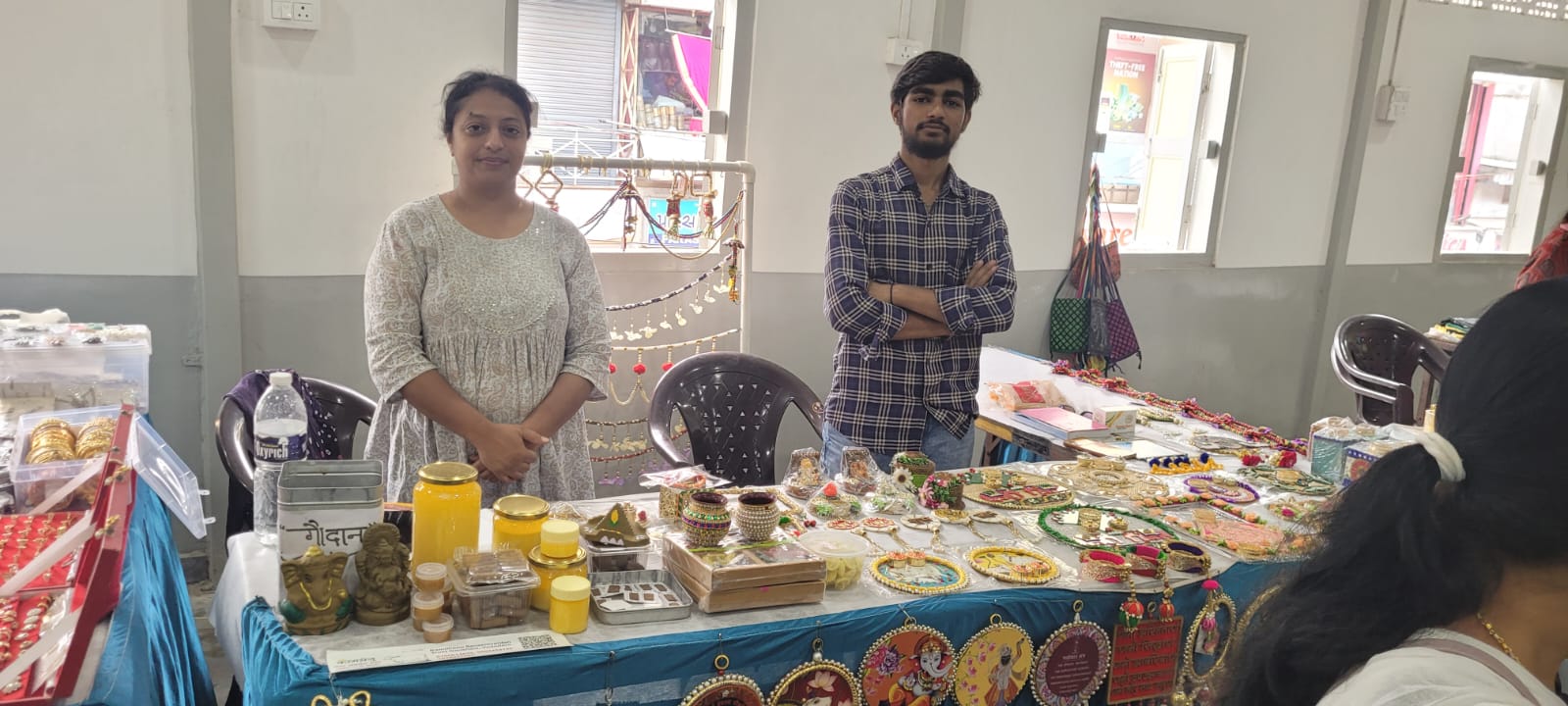
We provide nutritious meals to fight hunger and bring hope to struggling communities.
We provide nutritious meals to fight hunger and bring hope to struggling communities.
We provide nutritious meals to fight hunger and bring hope to struggling communities.
We provide nutritious meals to fight hunger and bring hope to struggling communities.
We provide nutritious meals to fight hunger and bring hope to struggling communities.
We provide nutritious meals to fight hunger and bring hope to struggling communities.